
Summary:
A white label itinerary builder helps travel businesses in the USA and Canada or worldwide offer personalized trip planning tools under their own brand. It saves time, boosts bookings, and improves customer experience without the cost of building software from scratch. This solution helps agencies scale faster and smarter.
Table of Contents
What is a White Label Itinerary Builder?
Why Do Travel Businesses Struggle Without It?
How Does a White Label Itinerary Builder Work?
What Are the Benefits for Travel Businesses?
How Can It Boost Customer Experience?
Step-by-Step Guide to White Label Itinerary Builder
Where Simplified.Travel Fits In
Quick Fact
Key Takeaways
Helpful Sources
Final Thought
What is a White Label Itinerary Builder?
A White Label Itinerary Builder is a ready-made travel planning tool that you can brand as your own. Instead of creating complex software from scratch, businesses like hotels, resorts, DMOs, and tour operators plug in this solution to let customers create custom travel itineraries directly on their websites.
Think of it like having a personal digital travel assistant built into your site, but fully branded with your logo, design, and content.
📌 According to Statista, over 74% of travelers in the U.S. and Canada use digital platforms to plan trips (Statista). This means if your website doesn’t help them plan in real time, they’ll jump to a competitor that does.
Why Do Travel Businesses Struggle Without It?
Most travel businesses face three common problems:
Information Overload for Customers – Websites often give too much raw information (lists of attractions, events, etc.) without tying it together in a clear plan.
Missed Conversions – If visitors can’t plan their trip on your site, they leave and book somewhere else.
Limited Staff Capacity – You can’t manually design itineraries for every visitor.
This is where a White Label Itinerary Builder acts like a bridge—turning scattered information into organized, bookable plans.
How Does a White Label Itinerary Builder Work?
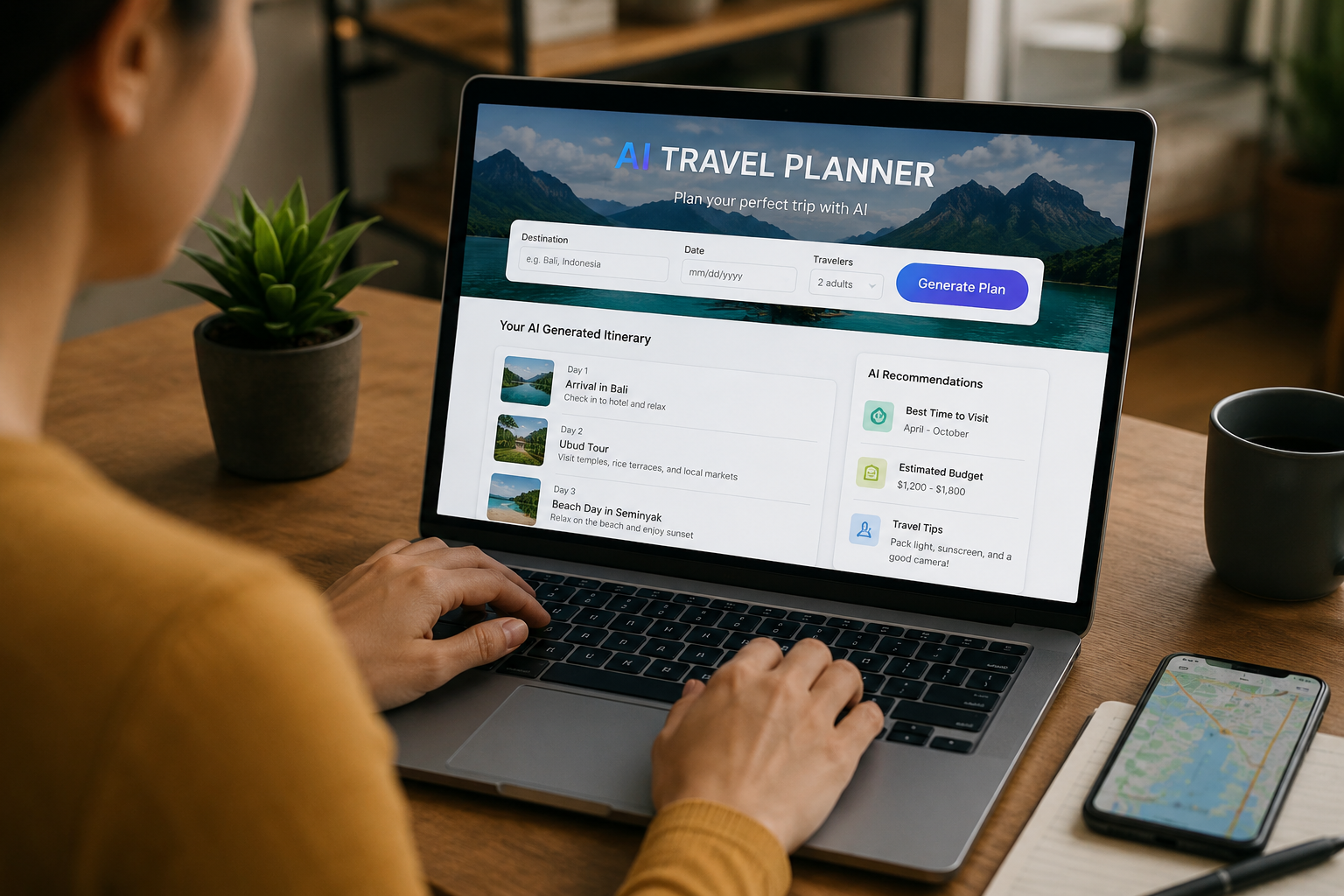
At its core, the tool uses AI and real-time data to pull together the best travel plan. Here’s how it works in everyday terms:
Traveler Inputs Preferences – Example: “3 days in Vancouver, family-friendly, budget $1500.”
AI Suggests Itinerary – The system pulls local attractions, dining spots, transport, and hotel info into a daily plan.
Live Adjustments – If it rains, the outdoor plan swaps with indoor activities.
Booking Integration – Travelers can book tours, tickets, or hotel upgrades inside the plan.
Analytics for Business – You get insights into what travelers prefer, helping shape packages.
Simple Example:
Imagine someone visiting Toronto. Instead of scrolling dozens of blogs, your website’s itinerary builder instantly creates a 3-day “Food + Culture Trip” plan, includes your partnered restaurants, and lets them book directly.
What Are the Benefits for Travel Businesses?
Here’s where it gets exciting. A White Label Itinerary Builder brings multiple advantages:

Think of it like owning the Amazon of your destination—everything is in one place, under your brand.
How Can It Boost Customer Experience?
A travel website isn’t just about showing photos anymore. Customers want interactive and instant help. A White Label Itinerary Builder gives them exactly that:
Personalization: The tool feels like a friend who knows their taste.
Convenience: No jumping across 10 different tabs.
Confidence: Real-time updates mean no surprises like closed museums.
Accessibility: Multilingual support ensures global travelers feel included.
It’s the same difference as getting a customized menu at a restaurant vs. just reading a recipe book.
Step-by-Step Guide to White Label Itinerary Builder
Setting up a White Label Itinerary Builder is easier than most think:
Identify Your Needs – Decide if you want it for a single property (hotel/resort) or a whole destination (DMO).
Choose White Label Provider – Tools like Simplified.Travel offer plug-and-play or API integration.
Add Your Branding – Customize with your logo, language, and brand-approved listings.
Integrate with Website – Paste code or connect via API.
Promote It – Highlight “Plan Your Trip Now” on your homepage.
Track Performance – Use analytics to see what travelers like and book.
It’s as simple as adding a “booking engine,” but much smarter.
Where Simplified.Travel Fits In
Now let’s connect this to a real solution.
Simplified.Travel is an AI-powered White Label Itinerary Builder used by DMOs, hotels, and tour operators in the USA and Canada. It’s like giving your visitors a 24/7 personal travel planner inside your website.
✅ AI-powered itinerary generator
✅ Multilingual support
✅ Live updates with weather or closures
✅ Smart booking integration
✅ Insightful analytics dashboard
For example, a resort in California can use Simplified.Travel to offer a “Romantic Weekend Itinerary” with spa, vineyard tours, and local dining—all fully branded. If it rains, the tool auto-adjusts to indoor activities like wine tastings.
This not only improves guest satisfaction but also increases cross-sells like spa packages and dining.
Start with a Sample Itinerary: https://app.simplified.travel/
Quick Fact
According to the U.S. Travel Association, travel spending in the U.S. hit $1.3 trillion in 2023. Businesses that offer personalized planning tools are capturing a larger share of this spend compared to those relying only on static websites.
Key Takeaways
A White Label Itinerary Builder is like having a personal travel planner on your website, fully branded.
It helps solve real problems: scattered information, low conversions, and traveler frustration.
Benefits include higher bookings, stronger brand loyalty, and valuable traveler insights.
Tools like Simplified.Travel make integration simple with plug-and-play modules or APIs.
The travel industry in the USA and Canada is competitive—offering an interactive itinerary builder is no longer optional, it’s essential.
Helpful Sources
Final Thought:
Think of a White Label Itinerary Builder as the “GPS” for your travel business. Just like travelers no longer unfold paper maps, they no longer want static travel websites. If you want to grow in today’s market, giving them a dynamic, interactive, branded travel planner is the smartest move you can make.




Write a comment ...